Nvidia’s Clawbots and the Shift to Active AI: Why Passive Automation Is No Longer Enough
Who This Article Is For
If you are a backend developer, tech lead, product manager, or someone working closely with enterprise systems (ERP, CRM, APIs), this article is for you. Especially if you’ve already used AI tools like ChatGPT or Claude and wondered: “Why can’t this just DO the task for me?”
The Real Problem I’ve Seen in Enterprise AI
Let me start with a real experience.
In one of our internal workflows, we built a system where AI summarized large PDF reports and extracted key insights. It worked incredibly well. The summaries were accurate, fast, and saved hours of manual reading.
But here’s the problem.
After the AI generated the output, a human still had to:
- Update the database manually
- Trigger downstream workflows
- Notify stakeholders
- Upload results to dashboards
So yes, thinking became faster — but execution stayed slow.
This is where most companies are stuck today.
Passive AI vs Real Productivity
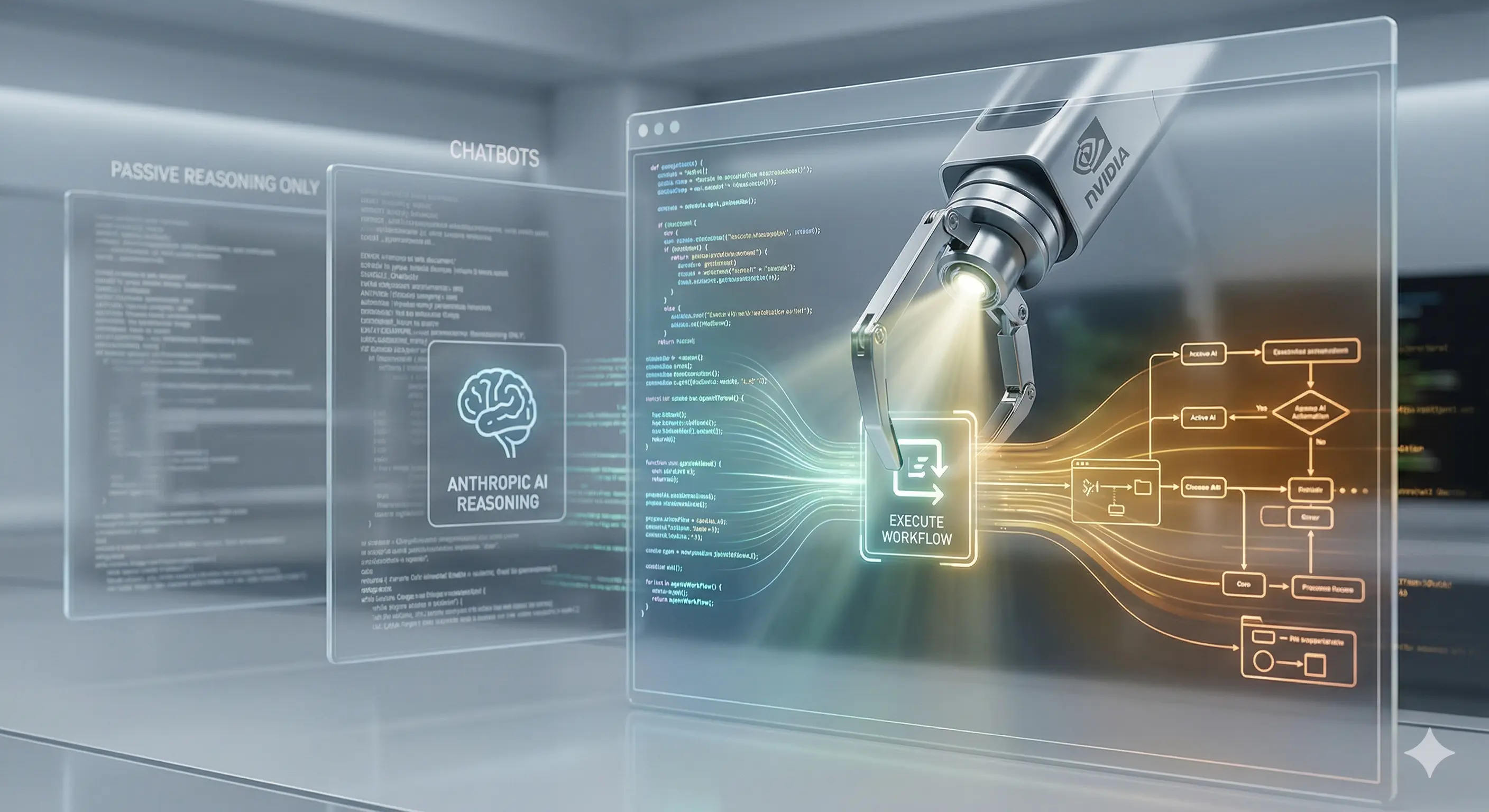
Tools like ChatGPT or enterprise-grade models are powerful, but they are passive.
They wait for your input → generate output → stop.
That means:
- No automation of actions
- No system integration
- No real workflow ownership
In simple terms: AI gives answers, but humans still do the work.
What Is Changing Now (Active AI)
The industry is now moving toward something much bigger — Active AI (Agentic AI).
This is where Nvidia’s concept of “Clawbots” comes in.
Instead of just generating responses, these systems:
- Call APIs
- Trigger workflows
- Update systems
- Run continuously in the background
Think of it like this:
- Passive AI: “Here’s what you should do.”
- Active AI: “I’ve already done it.”
A Simple Real-World Example
Let’s say there’s a delay in your supply chain.
Passive AI:
- Detects delay
- Explains impact
- Suggests actions
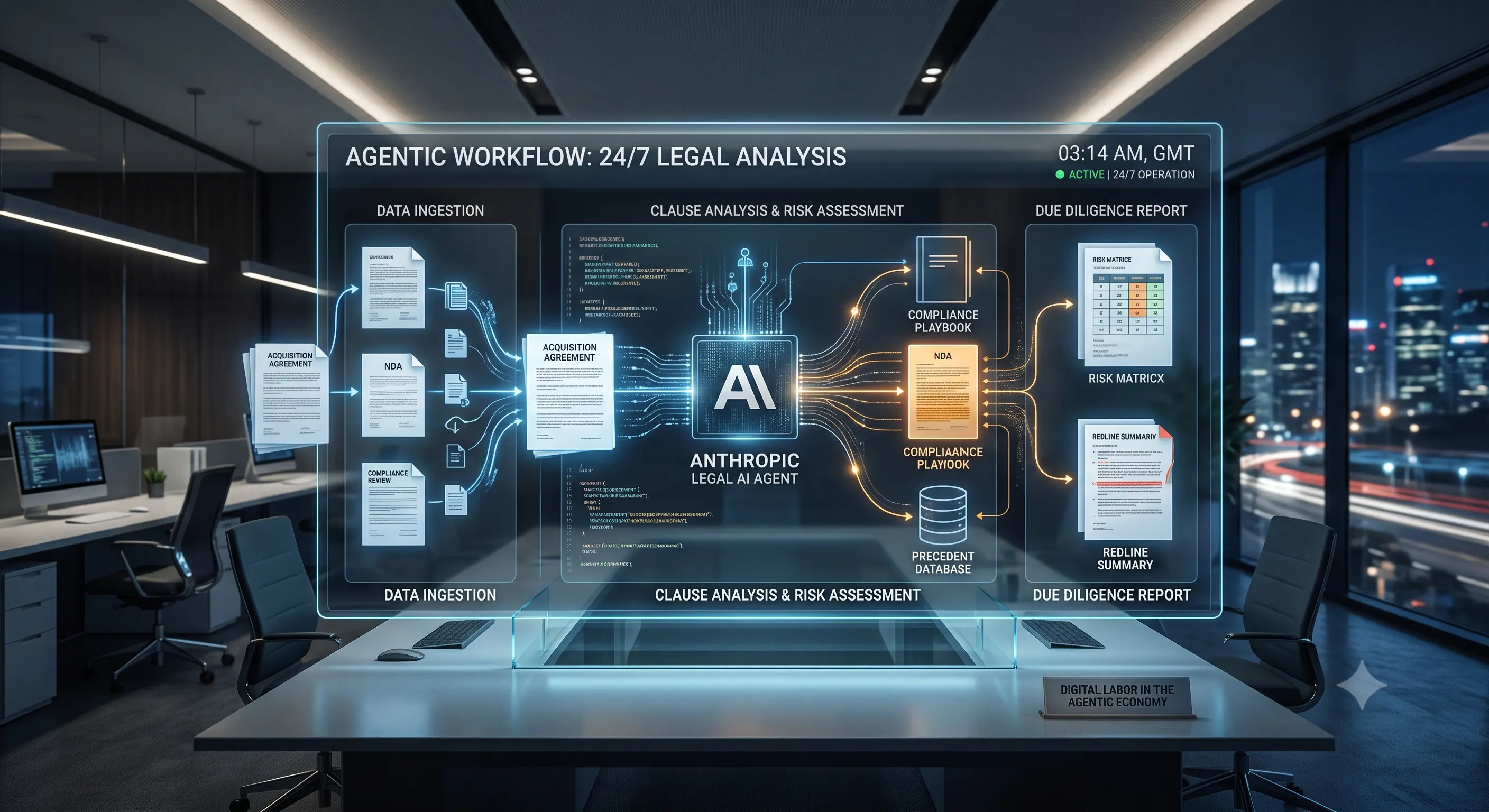
Active AI (Clawbot):
- Detects delay automatically
- Checks inventory via API
- Updates ERP system
- Notifies client via email
- Creates Jira ticket
No manual steps required.
Why This Matters (From a Developer’s Perspective)
If you are working in backend systems like I do, this shift is huge.
We are no longer just building APIs.
We are building systems that AI will directly operate.
This means:
- Your APIs must be clean and reliable
- Authentication must be secure (zero-trust mindset)
- Workflows must be modular and trigger-based
- Error handling must be bulletproof
Otherwise, an AI agent can break your system faster than a human ever could.
Where Things Break in Reality
Let’s be honest — this sounds exciting, but real-world systems are messy.
From my experience:
- APIs are often undocumented
- Legacy systems don’t integrate well
- Data is inconsistent or incomplete
- Cron jobs fail silently
Now imagine giving full control to an AI agent in such an environment.
That’s risky.
Very risky.
The Biggest Risk Nobody Talks About
The biggest danger is not AI replacing jobs.
It’s AI executing wrong actions at scale.
A small bug in logic could:
- Send wrong emails to thousands of users
- Trigger incorrect financial transactions
- Corrupt production data
And it can happen in seconds.
Who Should NOT Use Active AI Yet
Based on what I’ve seen, you should avoid jumping into this if:
- Your systems rely heavily on manual processes
- Your APIs are not stable
- Your data is not clean
- Your team is new to AI tools
Start small. Don’t rush.
Actionable Steps You Can Take Today
If you want to prepare for this shift, here’s what actually works:
- Audit your APIs (are they consistent and documented?)
- Move workflows to tools like Airflow or event-driven systems
- Reduce manual intervention in pipelines
- Implement proper logging and monitoring
- Start experimenting with small automation agents
Even automating one workflow end-to-end is a big win.
The Future of Work (My Honest Take)
I don’t think AI will replace developers or engineers.
But it will change what we do.
Instead of writing scripts manually, we will:
- Design systems for AI to operate
- Monitor AI decisions
- Handle edge cases and failures
The role shifts from execution → supervision.
Final Thoughts
We are moving from an era where AI helps us think…
…to an era where AI starts doing.
But the companies that win won’t be the ones that adopt AI the fastest.
They will be the ones that:
- Have clean systems
- Strong infrastructure
- Clear workflows
- And disciplined engineering practices
If you’re serious about staying relevant in the next 3–5 years, don’t just learn AI tools.
Start building systems that AI can safely run.
Disclaimer: This article is based on personal experience and industry observations. It is intended for educational purposes only.